Undermount or Drop-In Sink for a New Des Moines Countertop?
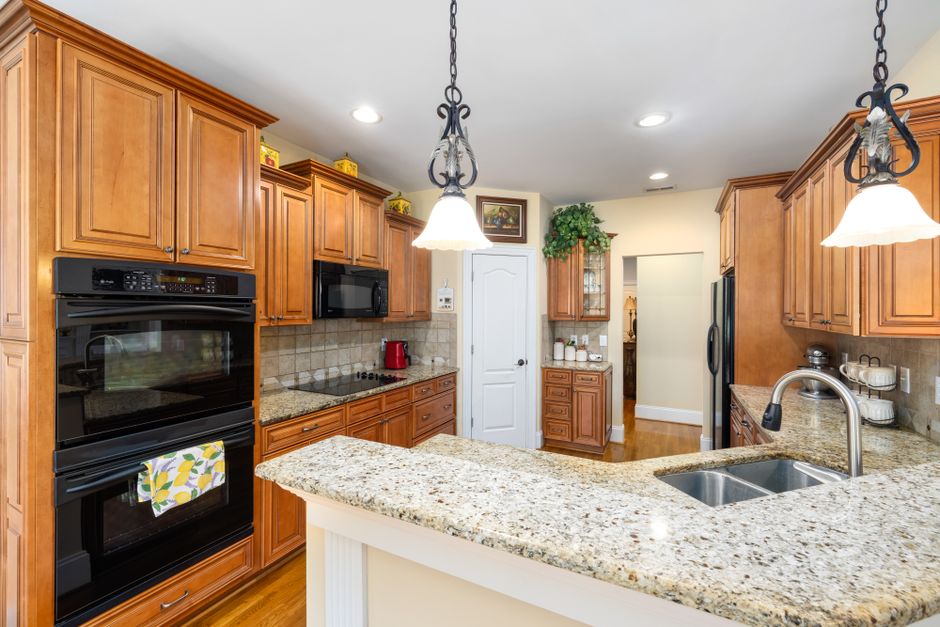
A drop-in sink is better for laminate and butcher block, and an undermount sink is better for granite, engineered stone and solid surface. The countertop material narrows the choice first. After that, the real differences are how easy the sink is to wipe down, how it is supported, and how well it handles the cabinets and water in an older Des Moines house.
How Each Sink Mounts
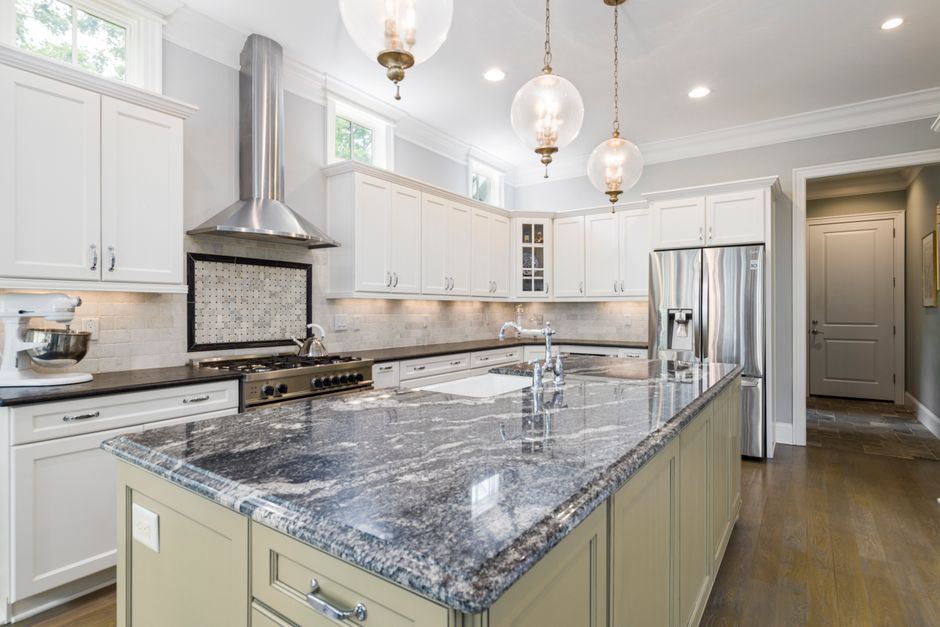
A drop-in sink, also called a top-mount sink, has a rim that rests on top of the countertop. That rim carries the sink's weight, and the counter edge around the cutout stays hidden under it.
An undermount sink hangs below the countertop. Because nothing covers the cut edge, the fabricator has to finish and polish it, and that edge has to tolerate water. This is why the material matters so much.
Let the Material Make the First Cut
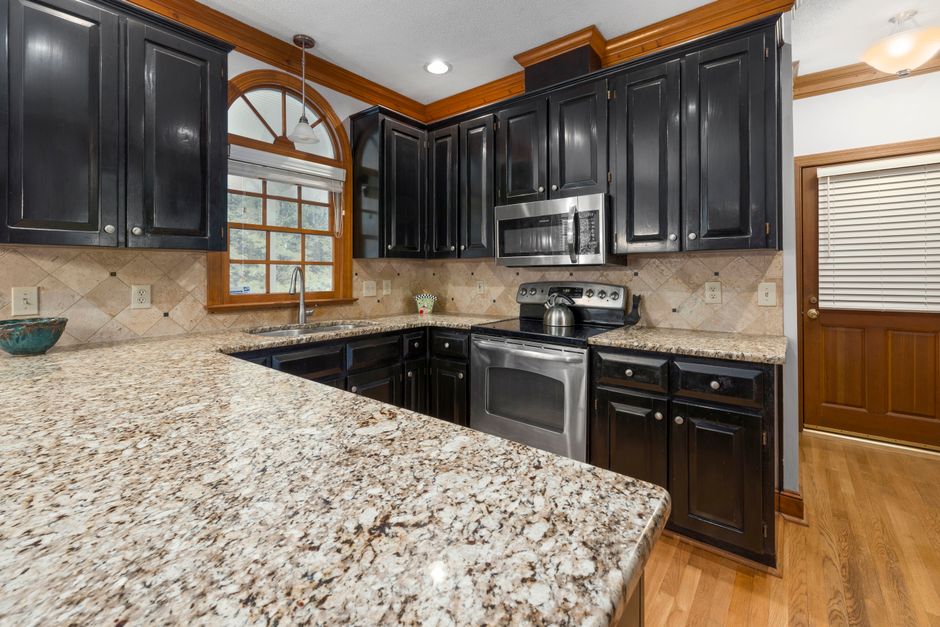
Undermount works with granite, engineered stone such as Cambria, solid surface and other materials that can take a finished, water-resistant cut edge. Standard laminate has a particleboard core that swells when wet, so a drop-in sink is the normal choice there. Standard laminate cannot take an undermount sink.
Solid surface adds a third option. Brands such as Corian and Avonite can be paired with a sink of the same material, bonded in so there is no visible seam or rim. If the easiest possible cleanup is the goal, ask about an integral sink.
Butcher Block Needs Caution
An undermount sink exposes end grain at the cutout, and end grain absorbs water quickly. Iowa's dry heated winters and humid summers make wood shrink and swell, which can open the finish at that edge. A drop-in sink protects the wood better. If you still want undermount on butcher block, plan to seal the cutout heavily and recheck it every year.
Cleaning: Where Each Style Wins
Undermount wins on wipe-down. You can sweep crumbs and water from the counter straight into the bowl with no lip in the way. A drop-in rim catches debris at the caulk line, and that line needs regular scrubbing.
Hard water changes the picture a little. Des Moines tap water leaves mineral spots, and on a drop-in the scale builds along the rim and the caulk bead. Wipe the rim dry after heavy use and descale gently. On natural stone such as marble, skip acidic cleaners and use only products made for the stone.
Choosing a Reveal
Undermount sinks can be set with a positive reveal, where the sink edge shows, a negative reveal, where the counter overhangs the bowl, or flush. A positive reveal is easier to clean where the two meet. A negative reveal hides the sink edge but can trap grime underneath.
Support: What Actually Holds the Sink
A drop-in sink is held by its rim resting on the counter, which makes the support simple. An undermount needs more care, because the counter is carrying the sink from below.
A proper undermount uses mechanical clips or brackets anchored into the underside of the counter, usually with epoxy-set inserts, plus a silicone seal. Silicone alone is not the support, and any installer who proposes it as the main hold deserves questions.
Heavy Sinks Need More
Cast iron and fireclay undermount sinks are very heavy, and the load grows once the bowl is full of water and dishes. Ask for added support inside the sink base, such as rails, a cradle or support brackets, not just clips.
A garbage disposal adds its own weight and vibration. On an undermount, check that the clips stay tight, especially after the disposal clears a jam.
Stainless Gauge
For stainless steel, a lower gauge number means thicker steel. Thicker steel resists denting and holds its shape better on clips, which matters more with an undermount. Sound-deadening pads on the underside also cut down on drumming noise.
The Cutout Is the Weak Spot in Stone
The narrow strips of stone in front of and behind the sink are where cracks usually start. Engineered stone is tough, but it is not indestructible and it can crack at the sink cutout. Ask whether the fabricator reinforces those strips, and avoid a sink placement that leaves them very thin.
On a kitchen island, the sink is seen and cleaned from several sides. Undermount avoids a raised rim that collects crumbs where people sit or prep, but the cutout should not sit near an unsupported overhang.
Older Des Moines Kitchens Need Extra Checks
Many older homes in Beaverdale, Sherman Hill and on the south side have settled floors and out-of-square walls. Stone set on uneven cabinets is under stress, and the sink cutout is where it tends to crack. The base cabinets should be shimmed level before the template is made.
Also check the sink base cabinet. The sink has to fit inside with room for clips, support and plumbing. A large single bowl may not fit a narrow sink base in an older kitchen, so measure the inside width of the cabinet, not just the outside.
Decide These Before Templating
Fabricators work from the real thing, so several choices need to be settled before anyone measures:
- Have the actual sink, or its exact manufacturer template, on hand. Undermount cutouts are made to fit one specific sink.
- Choose the faucet. Undermount sinks need faucet, soap and air gap holes drilled through the countertop, while drop-in sinks often have holes already in the deck. Settle hole count and placement first.
- Plan the dishwasher. You cannot screw a dishwasher into stone or engineered stone from below, so plan for side-mount brackets into the cabinets or a bracket made for stone.
Cutting Safety
Engineered stone and many natural stones contain silicon dioxide, and dry-cutting them releases dust that can cause silicosis. Cutouts should be done wet in the shop whenever possible. Any on-site cutting or adjustment in your home should use water or proper dust extraction, never dry grinding.
Upkeep and Replacement Later
An undermount deserves a look once or twice a year. Check for darkened or peeling silicone, moisture, a sink that has dropped away from the counter, or loose clips. A failed seal lets water run along the underside and drip into the cabinet, where it can go unnoticed for a long time. Undermount is not maintenance-free, and it can leak if the seal fails.
A drop-in needs a different habit. When the caulk around the rim cracks, discolors or pulls away, cut it out and run a fresh bead. Water that gets under the rim damages laminate and wood cores first.
Swapping later is easier with a drop-in, which can usually be lifted out and replaced with one of the same or a larger footprint. Removing an undermount means breaking the seal and unclipping it from below, and the new sink must fit the existing polished cutout. A different sink can affect the countertop itself.
So Which One Fits Your Kitchen?
Choose undermount for granite, engineered stone or solid surface if easy wipe-down matters most and the cabinets are level and roomy enough. Choose drop-in for laminate, for butcher block where protecting the wood is the priority, or when you want simpler support and an easier future swap. Drop-in is not outdated or low quality; it is simply the better match for some materials and some kitchens.